

Conversion Rate Optimization for Service Businesses: Strategies to Turn Website Visitors Into Paying Clients
In the competitive landscape of service businesses, converting website visitors into paying clients is crucial for sustained growth. Conversion Rate Optimization (CRO) encompasses various strategies aimed at enhancing user experience and increasing the likelihood of visitors taking desired actions. This article will delve into effective CRO techniques tailored specifically for service businesses, focusing on user engagement, landing page optimization, and the utilization of analytics for continuous improvement. Many service providers struggle with low conversion rates, often due to ineffective website design or unclear calls to action. By implementing targeted CRO strategies, businesses can significantly improve their conversion rates and ultimately drive revenue growth. We will explore key areas such as enhancing user engagement, optimizing landing pages, and leveraging analytics to refine conversion strategies.
It’s important to remember that effective CRO goes beyond mere quantitative analysis, delving into the underlying motivations and thought processes of visitors.
User-Centered CRO for SaaS Landing Pages
The process of improving conversions is called conversion rate optimization (CRO). While marketers increasingly understand the importance of optimizing their website for conversion, often CRO is only done in a quantitative way, relying on web metrics and visitor behavior. This limited approach does not consider the reasons behind visitors’ behavior, their underlying needs and way of thinking when evaluating products and services online. Yet, those reasons are crucial to understand when optimizing for conversion.
A User-Centered Approach to Landing Page Optimization in a Software-as-a-Service Business, 2017
Enhancing User Engagement

User engagement is a critical factor in converting visitors into clients. It involves creating an interactive and appealing website experience that encourages visitors to explore further. Effective strategies for enhancing user engagement include:
- Responsive Web Design: Ensuring that your website is mobile-friendly and adapts to various screen sizes can significantly improve user experience. A responsive design helps retain visitors who may otherwise leave due to poor navigation on mobile devices.
- Clear Calls to Action: Strategically placed and clearly defined calls to action (CTAs) guide users toward taking specific actions, such as signing up for a newsletter or requesting a quote. Effective CTAs should be visually distinct and convey a sense of urgency.
- Social Proof: Incorporating testimonials, reviews, and case studies can build trust and credibility. When potential clients see that others have had positive experiences, they are more likely to engage with your services.
Best Fit Digital specializes in enhancing user engagement through tailored strategies that improve website usability and conversion funnels. By focusing on these elements, service businesses can create a more inviting online presence that encourages visitors to become paying clients.
Optimizing Landing Pages
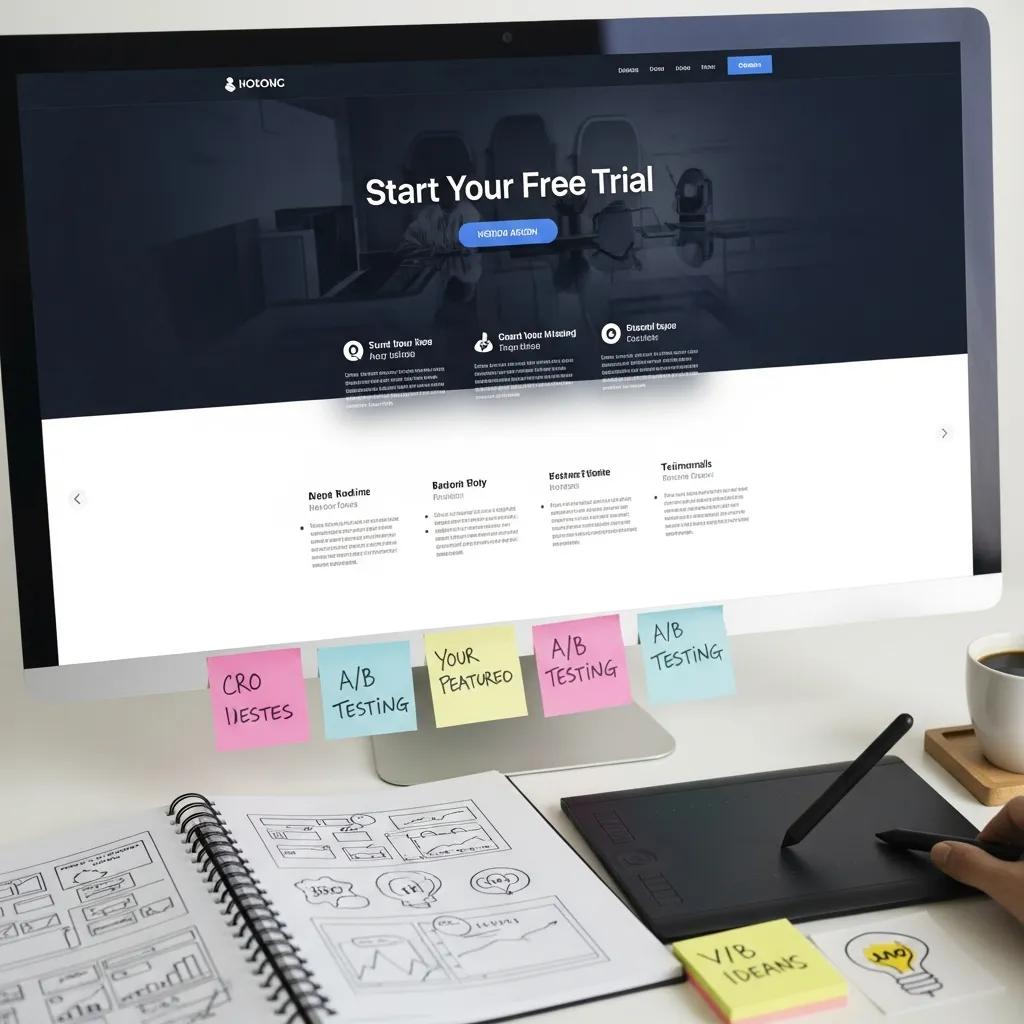
Landing pages play a pivotal role in the conversion process. They are often the first point of contact for potential clients and must be optimized to maximize conversions. Key techniques for landing page optimization include:
- Fast Loading Times: A slow-loading page can lead to high bounce rates. Ensuring that landing pages load quickly is essential for retaining visitors and improving conversion rates.
- A/B Testing: This technique involves creating two versions of a landing page to determine which one performs better. By testing different headlines, images, and CTAs, businesses can identify the most effective elements for driving conversions.
- Message Match: The content of the landing page should align with the ad or link that brought the visitor there. Consistency in messaging helps reinforce the visitor’s decision to click through and increases the likelihood of conversion.
These techniques are vital for creating effective landing pages, as comprehensive optimization involves continuous testing and tuning for maximum impact.
Landing Page Optimization: Testing & Tuning for Conversions
website usability, best practices in landing page design, and tactics to improve website conversion. Landing pages and paths represent your business-critical activities.
Landing page optimization: The definitive guide to testing and tuning for conversions, 2012
Best Fit Digital offers services that enhance landing page effectiveness, ensuring that each element is strategically designed to convert visitors into clients.
Utilizing Analytics for Continuous Improvement
Analytics play a crucial role in understanding user behavior and optimizing conversion rates. By leveraging data, service businesses can make informed decisions to enhance their websites. Important aspects of utilizing analytics include:
- Performance Tracking: Regularly monitoring key performance indicators (KPIs) such as bounce rates, conversion rates, and user engagement metrics helps identify areas for improvement.
- Heatmaps and Session Recordings: These tools provide insights into how users interact with a website. Understanding where users click, scroll, and spend time can inform design changes that enhance user experience.
- Customer Feedback: Gathering feedback through surveys or direct communication can provide valuable insights into user preferences and pain points. This information can guide adjustments to improve the overall user experience.
By continuously analyzing data and making iterative improvements, service businesses can refine their conversion strategies and achieve better results over time.
How Can Service Businesses Improve Website Conversion Rates Effectively?
Service businesses can implement several actionable strategies to enhance their website conversion rates. These include:
- Enhancing User Experience: Prioritizing user experience through intuitive navigation and appealing design can significantly impact conversion rates. A seamless experience encourages visitors to explore further and engage with services.
- Speed Optimization: Ensuring that the website loads quickly is essential for retaining visitors. Slow websites can lead to frustration and abandonment, negatively affecting conversion rates.
- Use of Trust Signals: Incorporating trust signals such as security badges, client logos, and industry certifications can reassure potential clients about the credibility of the business.
By focusing on these strategies, service businesses can create a more effective online presence that drives conversions.
What Are the Key Website Optimization Strategies for Service Providers?
Service providers can adopt several key optimization strategies to improve their websites:
- SEO Optimization: Implementing search engine optimization techniques helps increase visibility and attract more organic traffic to the website.
- User Experience Enhancement: Improving the overall user experience through design and functionality can lead to higher engagement and conversion rates.
- Content Marketing: Providing valuable content that addresses the needs and concerns of potential clients can establish authority and encourage conversions.
How Does User Experience Optimization Impact Conversion Rates?
User experience optimization directly impacts conversion rates by creating a more enjoyable and efficient interaction for visitors. Key factors include:
Indeed, optimizing the user experience is paramount, as it fundamentally shapes how visitors perceive and interact with a service provider’s offerings.
User Experience Optimization for Service Providers
We believe that to optimize the user experience will be the product should be regarded as guidelines of a service provider or business.
User experience optimization for personal services, 2014
- Reducing Bounce Rates: A well-optimized user experience can keep visitors on the site longer, reducing bounce rates and increasing the likelihood of conversion.
- Improving Load Times: Fast-loading pages enhance user satisfaction and encourage visitors to stay and explore.
- Trust Indicators: Elements such as clear navigation, professional design, and visible contact information contribute to a sense of trust, making visitors more likely to convert.
Which Landing Page Optimization Techniques Drive More Leads for Service Businesses?
Effective landing page optimization techniques that drive leads for service businesses include:
- Clear Value Proposition: Clearly communicating the unique benefits of the service helps visitors understand why they should choose your business.
- Strong Above-the-Fold CTA: Placing a compelling call to action above the fold ensures that visitors see it immediately without scrolling.
- Minimal Form Fields: Reducing the number of fields in lead capture forms can increase submission rates, as visitors are less likely to abandon lengthy forms.
How to Design Landing Pages That Convert Visitors Into Clients?
Designing landing pages that convert requires a strategic approach:
- Clear Value Proposition: The landing page should immediately convey the unique benefits of the service offered.
- Strong CTA: A prominent and persuasive call to action encourages visitors to take the next step.
- Persuasive Social Proof: Including testimonials or case studies can enhance credibility and encourage conversions.
What Role Do Conversion Funnels Play in Landing Page Success?
Conversion funnels are essential for guiding visitors through the decision-making process. Key aspects include:
- Funnel Stages: Understanding the different stages of the funnel helps tailor messaging and CTAs to meet the needs of visitors at each stage.
- Clear CTAs: Each stage of the funnel should have clear calls to action that guide visitors toward the next step.
- Segmentation and Personalization: Tailoring content and offers based on user behavior and preferences can enhance the effectiveness of the conversion funnel.
What Lead Generation Strategies Are Most Effective for Service Businesses?
Effective lead generation strategies for service businesses include:
- Website Optimization: Ensuring that the website is user-friendly and optimized for conversions is crucial for attracting and retaining leads.
- Content Marketing: Providing valuable content that addresses the needs of potential clients can establish authority and encourage engagement.
- Social Media Engagement: Actively engaging with potential clients on social media platforms can drive traffic to the website and generate leads.
How Can Data-Driven CRO Consultation Enhance Lead Generation?
Data-driven CRO consultation can significantly enhance lead generation by:
- Phased Approach to Targeting: Utilizing data to identify and target specific audience segments can improve the effectiveness of marketing efforts.
- Continuous Optimization: Regularly analyzing data and making adjustments ensures that strategies remain effective and aligned with user behavior.
- Website Optimization: Data-driven insights can inform website design and functionality improvements that enhance user experience and drive conversions.
Which CRO Tools and Technologies Support Lead Conversion?
Several tools and technologies can support lead conversion efforts:
- Website Optimization Tools: Tools that analyze user behavior and provide insights for improvement can enhance conversion rates.
- Automated Lead Funnels: Implementing automated systems for capturing and nurturing leads can streamline the conversion process.
- CRM Integration: Integrating customer relationship management systems can help track leads and manage follow-up efforts effectively.
How to Measure and Monitor CRO Success for Service Businesses?
Measuring and monitoring CRO success involves tracking key metrics, including:
- Key Metrics to Track: Important metrics include conversion rates, bounce rates, and user engagement levels.
- Using Analytics: Leveraging analytics tools to gather data on user behavior can inform optimization efforts.
- Continuous Optimization: Regularly reviewing performance data and making adjustments ensures ongoing improvement in conversion rates.
What Key Performance Indicators Indicate Improved Conversion Rates?
Key performance indicators (KPIs) that indicate improved conversion rates include:
- Traffic: An increase in website traffic can signal effective marketing efforts.
- Leads: Tracking the number of leads generated provides insight into the effectiveness of conversion strategies.
- Conversion Rate: Monitoring the overall conversion rate helps assess the success of optimization efforts.
How to Use Analytics to Optimize Conversion Funnels Continuously?
Using analytics to optimize conversion funnels involves:
- Key Metrics to Track: Identifying and monitoring relevant metrics helps assess funnel performance.
- Continuous Optimization: Regularly analyzing data and making adjustments ensures that the funnel remains effective.
- Tools for Measurement: Utilizing analytics tools can provide valuable insights into user behavior and funnel performance.