

Best Recruitment Advertising Platforms: Employee Recruitment Ads Comparison of Google, LinkedIn, and Facebook for Optimal Hiring Results
In the competitive landscape of employee recruitment, choosing the right advertising platform can significantly impact hiring success. This article delves into the effectiveness of three major platforms: Google Ads, LinkedIn Ads, and Facebook Ads. Each platform offers unique advantages and targeting capabilities that can cater to different recruitment needs. By understanding the strengths and weaknesses of these platforms, businesses can make informed decisions that enhance their recruitment strategies.
Research further emphasizes the critical role of understanding the distinct targeting and segmentation options offered by these leading online advertising platforms.
Online Advertising Targeting: Facebook, Google, LinkedIn
The aim of the study is to map the segmentation expectations of the marketers and then draw a unified conclusion regarding the segmentation and targeting options in the advertising system of the most popular online platforms in Hungary. When and in what way did the advertising platform meet or fail to meet segmentation expectations. The question was when and how the advertising platform meets or fails to meet segmentation expectations.
Targeting in online marketing: A retrospective analysis with a focus on practices of Facebook, Google, LinkedIn and TikTok, N Hajdú, 2023
This guide will explore the specific benefits of each platform, including their targeting options, cost-effectiveness, and overall return on investment (ROI). We will also analyze how these platforms compare in terms of costs and effectiveness, providing insights into which may be the best fit for your recruitment goals.
Google Ads
Google Ads is a powerful tool for recruitment advertising, particularly for businesses looking to attract high-intent candidates. This platform allows employers to reach potential employees actively searching for job opportunities, making it an effective choice for immediate hiring needs. The high conversion rates associated with Google Ads can lead to a lower cost-per-lead when managed effectively, making it a cost-efficient option for many organizations.
How Does Google Job Ads Deliver Cost-Effective Recruitment Solutions?
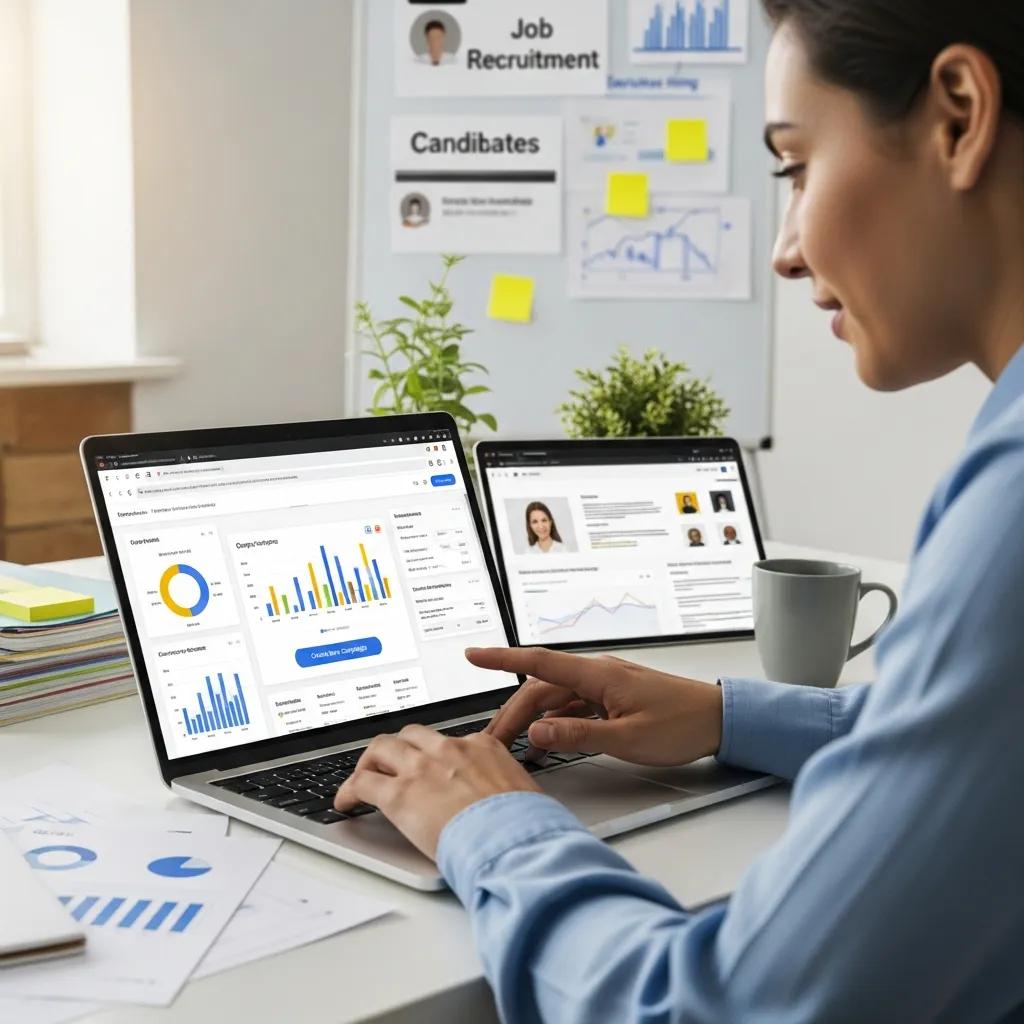
Google Job Ads leverage the search engine’s vast reach to connect employers with job seekers. By targeting specific keywords related to job openings, businesses can ensure their ads appear to users actively searching for relevant positions. This targeted approach not only increases visibility but also enhances the likelihood of attracting qualified candidates. Moreover, Google Ads often provide detailed analytics, allowing employers to optimize their campaigns for better performance and cost-effectiveness.
LinkedIn Ads
LinkedIn Ads are particularly beneficial for businesses focused on B2B recruitment or those seeking specialized talent. The platform’s professional targeting capabilities allow employers to reach candidates based on job titles, industries, and skills, ensuring that ads are seen by the right audience. This targeted approach often results in higher-quality leads, making LinkedIn a preferred choice for many organizations looking to fill specialized roles.
What Are LinkedIn’s Strengths in Professional Audience Targeting?

LinkedIn’s strength lies in its ability to connect employers with a professional audience. The platform’s targeting options enable businesses to filter candidates based on specific criteria, such as experience level and industry. This precision in targeting not only improves the quality of applicants but also enhances the overall recruitment process. Companies can effectively showcase their brand and job openings to a highly relevant audience, increasing the chances of finding the right fit for their teams.
Indeed, LinkedIn has transformed talent acquisition by providing a rich environment for professional networking and targeted sourcing.
LinkedIn for Talent Acquisition & Sourcing
One of the top platforms for professional networking, LinkedIn, has changed the game in this area. With professionals from a wide range of businesses making up its user base, it offers a gold mine of prospective prospects. Numerous networking options are available on the site to help with applicant sourcing, employer branding, engagement, and job searches.
Leveraging LinkedIn networking tools for optimal talent acquisition in the banking industry: A conceptual study, S Dutta, 2023
Facebook Ads
Facebook Ads offer a unique advantage in recruitment advertising by enabling businesses to reach a broad demographic. With its extensive user base, Facebook allows employers to target potential candidates based on interests, behaviors, and demographics. This broad reach can be particularly useful for companies looking to enhance brand awareness and attract a diverse pool of applicants.
How Do Facebook Recruitment Ads Enable Broad Demographic Reach?
Facebook’s targeting capabilities allow employers to create highly customized ads that resonate with specific audience segments. By utilizing demographic and interest-based targeting, businesses can effectively reach potential candidates who may not be actively searching for jobs but are open to new opportunities. Additionally, Facebook’s creative ad formats, such as video and carousel ads, can engage users more effectively, making the recruitment process more dynamic and appealing.
Summary
In summary, each platform offers distinct advantages for recruitment advertising. Google Ads excel in targeting high-intent job seekers, LinkedIn Ads provide professional targeting for specialized roles, and Facebook Ads enable broad demographic reach. Understanding these differences is crucial for businesses aiming to optimize their recruitment strategies.
Which Platform Offers the Best ROI for Employee Recruitment Ads?
Evaluating the return on investment (ROI) for employee recruitment ads across these platforms involves analyzing their costs and effectiveness. Each platform has its unique pricing structure and performance metrics, which can influence overall ROI.
This comparison highlights how Google Ads may offer the best ROI for immediate hiring needs, while LinkedIn Ads can be more effective for specialized recruitment. Facebook Ads, while cost-effective, may yield moderate ROI depending on the recruitment goals.
Practical experience and studies consistently evaluate the effectiveness and return on investment for paid advertising campaigns on platforms like Facebook and Google.
Facebook & Google Paid Ads Effectiveness
I have specialized in paid ads on Facebook and Google ads. During my relatively practical experience, I learned by doing instead of reading, I made many mistakes that helped get
How effective is Facebook advertising and does it have a high ROI?, 2021
How Do Costs Compare Across Google Job Ads, LinkedIn Recruitment, and Facebook Recruitment Advertising?
When comparing costs, Google Ads typically operate on a pay-per-click basis, allowing businesses to control their spending effectively. LinkedIn Ads, on the other hand, often have a higher cost per click due to their targeted nature, which can be justified by the quality of leads generated. Facebook Ads generally offer lower costs, making them an attractive option for companies looking to maximize their advertising budget.
What Is the Average Cost Per Hire Using Google Job Ads?
The average cost per hire using Google Job Ads can vary significantly based on industry and job type. However, many businesses report lower costs per hire when utilizing Google Ads effectively, particularly for roles that attract high-intent candidates. This cost-effectiveness is a key reason why many organizations choose Google as their primary recruitment platform.
How Does LinkedIn Recruitment Pricing Impact Small to Medium Businesses?
For small to medium businesses, LinkedIn’s pricing structure can be a consideration when planning recruitment strategies. While the costs may be higher compared to other platforms, the quality of leads and the ability to target specific professional demographics can justify the investment. Many small businesses find that the higher-quality candidates sourced through LinkedIn lead to better hiring outcomes, ultimately offsetting the initial costs.
Which Platform Leads in 2026 Recruitment Advertising Trends and Effectiveness?
As we look towards 2026, trends indicate that Google Ads will continue to dominate in terms of immediate hiring effectiveness, while LinkedIn will remain the go-to platform for specialized recruitment. Facebook’s role in recruitment advertising is expected to evolve, focusing more on brand awareness and engagement rather than direct hiring.
What Emerging Social Recruiting Trends Influence Facebook Recruitment Ads?
Emerging trends in social recruiting suggest that Facebook will increasingly leverage its data analytics capabilities to enhance targeting and engagement. As businesses seek to connect with potential candidates in more meaningful ways, Facebook’s ability to provide insights into user behavior will play a crucial role in shaping recruitment strategies.
How Do Case Studies Demonstrate Success Across Google, LinkedIn, and Facebook?
Numerous case studies illustrate the success of recruitment advertising across these platforms. For instance, companies utilizing Google Ads have reported significant increases in qualified applicants, while those leveraging LinkedIn have successfully filled specialized roles with high-quality candidates. Facebook’s case studies often highlight successful brand awareness campaigns that have led to increased applicant interest, showcasing the diverse benefits of each platform.