

Recruitment Marketing Automation: How to Efficiently Fill Your Candidate Pipeline with Qualified Talent
Recruitment marketing automation is revolutionizing the way organizations attract and engage potential candidates. By leveraging technology, businesses can streamline their hiring processes, ensuring they fill their pipelines with qualified talent more efficiently. This article will explore effective strategies for recruitment marketing automation, including phased tool implementation, automated lead nurturing funnels, and personalized email campaigns. Additionally, we will discuss the importance of data quality and management, integration of recruitment tools, and metrics tracking to optimize hiring efficiency. As companies face challenges in sourcing the right candidates, recruitment marketing automation offers a solution that not only enhances candidate engagement but also improves overall hiring outcomes.
Effective strategies for Recruitment Marketing Automation to fill the candidate pipeline with qualified talent include:
Implementing effective strategies for recruitment marketing automation is essential for organizations looking to enhance their hiring processes. These strategies not only streamline operations but also improve the quality of candidates entering the pipeline. Here are some key strategies to consider:
- Phased Tool Implementation: Gradually introducing recruitment marketing tools allows organizations to adapt and optimize their processes without overwhelming their teams. This approach ensures that each tool is effectively integrated and utilized to its full potential.
- Automated Lead Nurturing Funnels: By creating automated lead nurturing funnels, companies can maintain consistent communication with potential candidates. This strategy involves sending targeted content and updates to keep candidates engaged throughout the hiring process.
- Personalized Email Campaigns: Tailoring email communications to individual candidates can significantly enhance engagement. Personalized emails that address candidates by name and reference their specific interests or qualifications can lead to higher response rates.
Phased Tool Implementation:
Phased tool implementation involves a strategic approach to integrating recruitment marketing technologies. Organizations can start by identifying their most pressing needs and selecting tools that address those specific areas. For instance, implementing an applicant tracking system (ATS) can streamline the application process, while a customer relationship management (CRM) tool can enhance candidate engagement. By gradually rolling out these tools, teams can ensure they are trained and comfortable with each system, leading to a smoother transition and better overall results.
Automated Lead Nurturing Funnels:
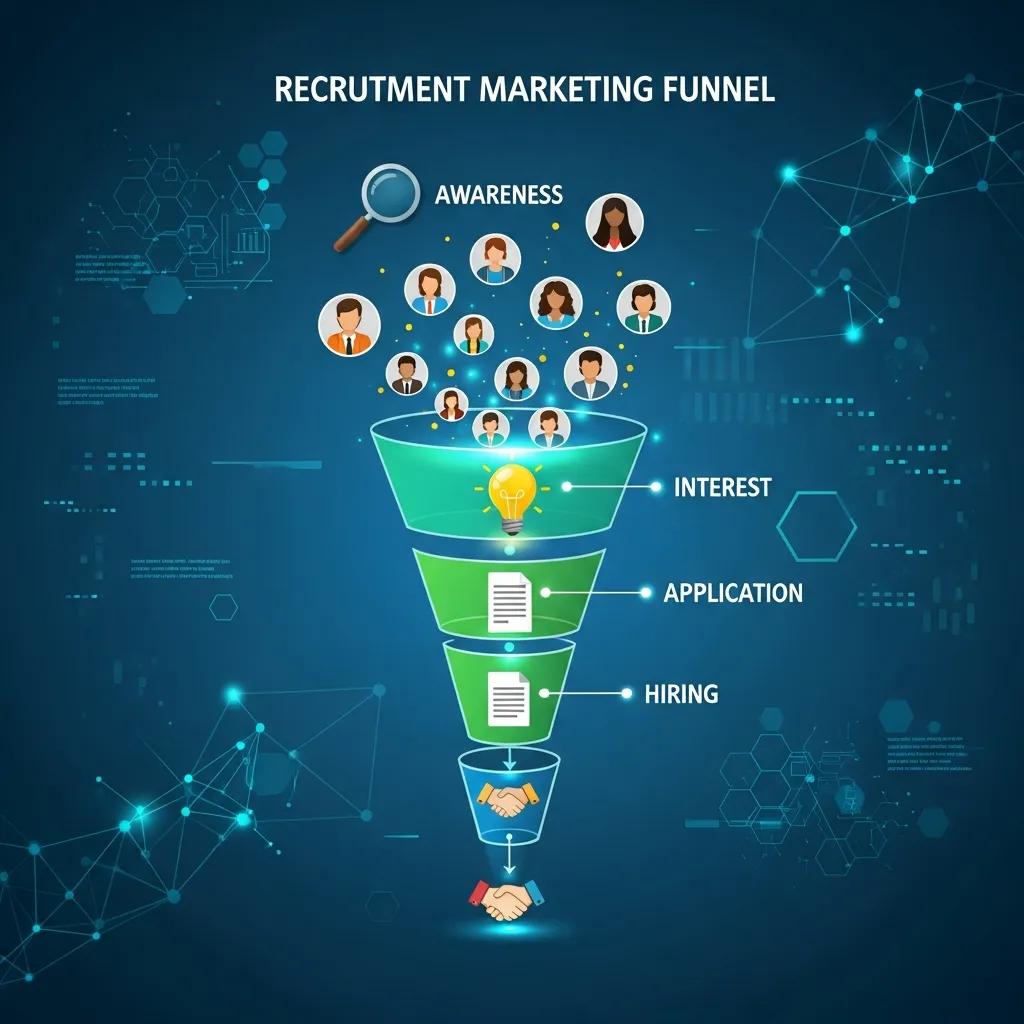
Automated lead nurturing funnels are crucial for maintaining candidate interest and engagement. These funnels typically consist of a series of automated emails and touchpoints designed to guide candidates through the hiring process. By providing relevant content and updates, organizations can keep candidates informed and interested, ultimately leading to a higher conversion rate from application to hire. This approach not only saves time for recruiters but also creates a more positive candidate experience.
Personalized Email Campaigns:
Personalized email campaigns are an effective way to connect with candidates on a deeper level. By utilizing data from previous interactions, organizations can craft messages that resonate with individual candidates. This could include highlighting specific job opportunities that match their skills or sharing content that aligns with their career interests. Personalization fosters a sense of connection and can significantly improve response rates, making candidates feel valued and understood.
What Is Recruitment Marketing Automation and How Does It Improve Hiring Efficiency?
Recruitment marketing automation refers to the use of technology to streamline and enhance the recruitment process. By automating various aspects of recruitment marketing, organizations can improve their efficiency and effectiveness in attracting qualified candidates. This approach not only saves time but also allows for more strategic engagement with potential hires.
Defining Recruitment Marketing Automation and Its Core Components
At its core, recruitment marketing automation encompasses several key components, including automated candidate sourcing, lead nurturing, and analytics. Automated candidate sourcing involves using technology to identify and engage potential candidates through various channels, such as social media and job boards. Lead nurturing focuses on maintaining relationships with candidates through targeted communication, while analytics provide insights into the effectiveness of recruitment strategies. Together, these components create a comprehensive approach to recruitment that enhances hiring efficiency.
How Can Automated Candidate Sourcing Software Optimize Your Hiring Funnel?
Automated candidate sourcing software plays a vital role in optimizing the hiring funnel by streamlining the process of identifying and engaging potential candidates. This technology allows organizations to efficiently source candidates from various platforms, ensuring a diverse and qualified talent pool.
Key Features of Candidate Sourcing Software for Talent Acquisition Automation
Effective candidate sourcing software typically includes features such as AI-driven candidate matching, integration with job boards, and advanced search capabilities. These features enable recruiters to quickly identify candidates who meet specific criteria, reducing the time spent on manual searches. Additionally, many sourcing tools offer analytics that help organizations track the effectiveness of their sourcing strategies, allowing for continuous improvement.
Integrating Automated Recruitment Tools to Enhance Candidate Pipeline Quality
Integrating automated recruitment tools into the hiring process can significantly enhance the quality of candidates entering the pipeline. By utilizing tools that streamline communication and engagement, organizations can ensure that candidates receive timely updates and relevant information. This not only improves the candidate experience but also increases the likelihood of attracting high-quality talent.
What Strategies Enhance Candidate Relationship Management in Recruitment Automation?
Candidate relationship management (CRM) is a critical aspect of recruitment automation that focuses on building and maintaining relationships with potential hires. Effective CRM strategies can lead to improved candidate engagement and retention.
Best Practices for Candidate Nurturing Using Recruitment CRM Platforms

Utilizing recruitment CRM platforms allows organizations to manage candidate relationships more effectively. Best practices include segmenting candidates based on their interests and qualifications, personalizing communication, and providing regular updates on job opportunities. By nurturing these relationships, organizations can create a more engaged talent pool that is more likely to respond positively to job offers.
Leveraging Data-Driven Engagement to Improve Candidate Quality and Retention
Data-driven engagement strategies involve using analytics to inform recruitment decisions and communication strategies. By analyzing candidate behavior and preferences, organizations can tailor their outreach efforts to better meet the needs of potential hires. This approach not only improves candidate quality but also enhances retention rates, as candidates feel more connected to the organization.
Which Metrics and Analytics Are Essential for Hiring Funnel Optimization?
Tracking metrics and analytics is essential for optimizing the hiring funnel. By measuring key performance indicators (KPIs), organizations can identify areas for improvement and make data-driven decisions.
Tracking Time-to-Hire and Candidate Pipeline Performance
Time-to-hire is a critical metric that measures the efficiency of the recruitment process. By tracking this metric, organizations can identify bottlenecks in their hiring funnel and implement strategies to reduce delays. Additionally, monitoring candidate pipeline performance allows organizations to assess the effectiveness of their sourcing and engagement strategies, ensuring they are attracting the right talent.
Using Recruitment Analytics to Refine Automated Hiring Workflows
Recruitment analytics provide valuable insights into the effectiveness of automated hiring workflows. By analyzing data on candidate engagement, conversion rates, and sourcing channels, organizations can refine their processes to improve overall efficiency. This data-driven approach enables organizations to make informed decisions that enhance their recruitment strategies.
This table highlights essential metrics that organizations should track to optimize their hiring processes. By focusing on these key performance indicators, companies can enhance their recruitment strategies and improve overall hiring efficiency.