Baltimore Web Design Checklist: 10 Critical Elements for High-Converting Local Websites
By Clinton Jiggetts, Best Fit Digital
Creating an effective website for your local Baltimore business requires attention to detail and an understanding of your audience's needs. A high-converting website is more than just a digital presence; it's a carefully crafted tool that drives leads and builds trust. This article explores ten critical elements that every local website should include to optimize conversions and enhance user experience. From effective call-to-action placements to tailored local content, understanding these elements will empower you to create a site that resonates with local customers. We will discuss the significance of clear CTAs, trust signals, lead capture strategies, site speed, localized imagery, navigation, accessibility, analytics, and ongoing optimization. By implementing these features, you can greatly enhance your website's ability to attract and retain customers in Baltimore.
Clear Call-to-Actions (CTAs)
A clear call-to-action (CTA) is vital in guiding visitors toward a desired action on your website. Effective CTAs use actionable language and are strategically placed to capture users' attention. When crafting your CTAs, consider integrating localized language, which can resonate more deeply with the Baltimore audience. By making your CTAs more specific to the locality, you enhance their effectiveness, allowing users to feel a connection.
An example of a strong CTA might be "Get Your Free Baltimore Guide Now!" as it not only encourages immediate action but also indicates a benefit relevant to the user's interests. Research indicates that well-placed CTAs can increase conversion rates significantly, making them a fundamental element of your web design checklist.
For businesses aiming for effective lead generation, Best Fit Digital emphasizes the importance of showcasing your expertise through your CTAs. A clear, bold CTA can effectively facilitate lead capture and initiate customer engagement.
Trust Signals

Trust signals are essential elements that help build credibility for your website. These can include customer testimonials, certifications, and recognizable logos from partner organizations. When potential customers see these indicators of trust, they are more likely to feel secure in their decision to engage with your site.
Common types of trust signals include:
Customer Reviews: Positive reviews from existing clients provide social proof that can alleviate doubts.
Privacy Policies: Clear privacy policies indicate that you value customer data protection and transparency.
Secure Payment Icons: Displaying security badges or payment method logos can reassure users regarding the safety of their transactions.
These elements decrease friction in the conversion process and enhance user confidence, which is crucial for businesses in a competitive local market.
Streamlined Lead Capture Forms
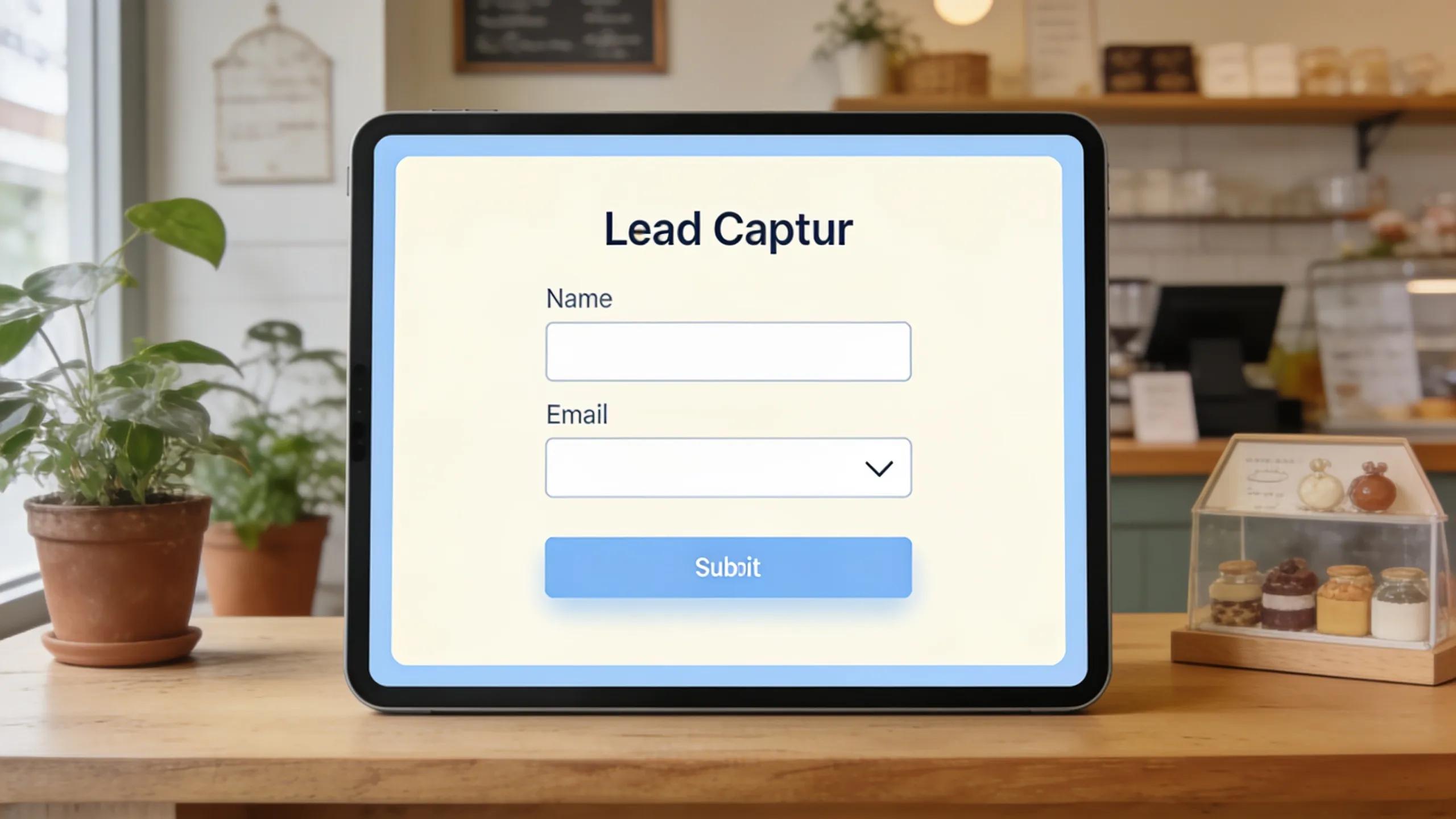
For any local business, having a streamlined lead capture form is key to improving conversion rates. These forms should be designed to be user-friendly and efficient. The simpler and quicker a user can fill out a form, the higher the likelihood they will complete it.
Best practices for designing effective forms include:
Minimizing Fields: Keep form fields to a minimum to reduce the time and effort required.
Progressive Profiling: Gradually ask for more information over time rather than overwhelming users upfront.
Clear Descriptions: Provide clear instructions or descriptions for each field to guide users through the process.
An efficient lead capture process not only facilitates communication with potential customers but also reflects your commitment to user experience.
Fast Loading Times
Fast loading times are critical for maintaining user engagement. Studies show that websites that load within three seconds experience much lower bounce rates. Even a one-second delay can lead to a 7% decrease in conversions. Regular performance checks and site optimization techniques should be implemented to ensure your website loads quickly.
To optimize loading times, consider these techniques:
Image Optimization: Compress images to reduce load times without sacrificing quality.
Minifying Code: Remove unnecessary characters from HTML, CSS, and JavaScript files to improve efficiency.
Efficient Hosting Solutions: Choose a reliable hosting provider that offers fast servers.
By prioritizing speed, you enhance the overall user experience, boost retention rates, and improve conversion potential.
Local Content and Imagery
Localized content plays a crucial role in engaging your target audience effectively. Highlighting community events, local landmarks, or regional services helps build a relationship with visitors. By incorporating local imagery alongside relevant content, your website feels more personalized and relatable.
Best practices for creating local content include:
Use of Local SEO Keywords: Implement keywords that reflect local search behavior, such as "Baltimore services" or "local events."
Community Engagement Stories: Share stories about community involvement or partnerships to foster familiarity with your brand.
Local Imagery: Use images that reflect the Baltimore community, making your website visually inviting to local visitors.
Creating tailored content not only supports local SEO but also positions your business as part of the local landscape.
Simplified Navigation
Effective navigation is a cornerstone of excellent user experience. A website with intuitive navigation enables users to find information quickly and easily, reducing frustration and increasing their likelihood of conversion. Essential elements of good navigation include:
Clear Menu Structures: Organize your site into logical sections that facilitate ease of use.
Breadcrumbs: Implementing breadcrumb navigation aids in helping users understand their location within your site.
Mobile Responsiveness: Ensure navigation works well on mobile devices, as many users will access your site via smartphones.
By simplifying navigation, you foster an environment where users can effortlessly explore your offerings, leading to increased conversion opportunities.
Accessibility Standards
Ensuring your website meets accessibility standards is essential for reaching a broader audience. Accessibility involves designing your site to accommodate users with disabilities, ensuring they can navigate and use the site effectively. Key practices include:
Use of Alt Text: Provide descriptive text for images, allowing screen readers to convey content effectively.
Keyboard Navigation: Ensure that all functionalities are accessible via keyboard navigation for users who cannot use a mouse.
Color Contrast: Utilize high-contrast color schemes to make content easily readable by all users.
Compliance with accessibility standards not only opens your business to a wider customer base but also enhances overall user experience.
Analytics and Tracking
Implementing analytics and tracking tools helps monitor user engagement and conversion metrics. These insights allow you to understand how your audience interacts with your site and identify areas for improvement. Effective tools and strategies include:
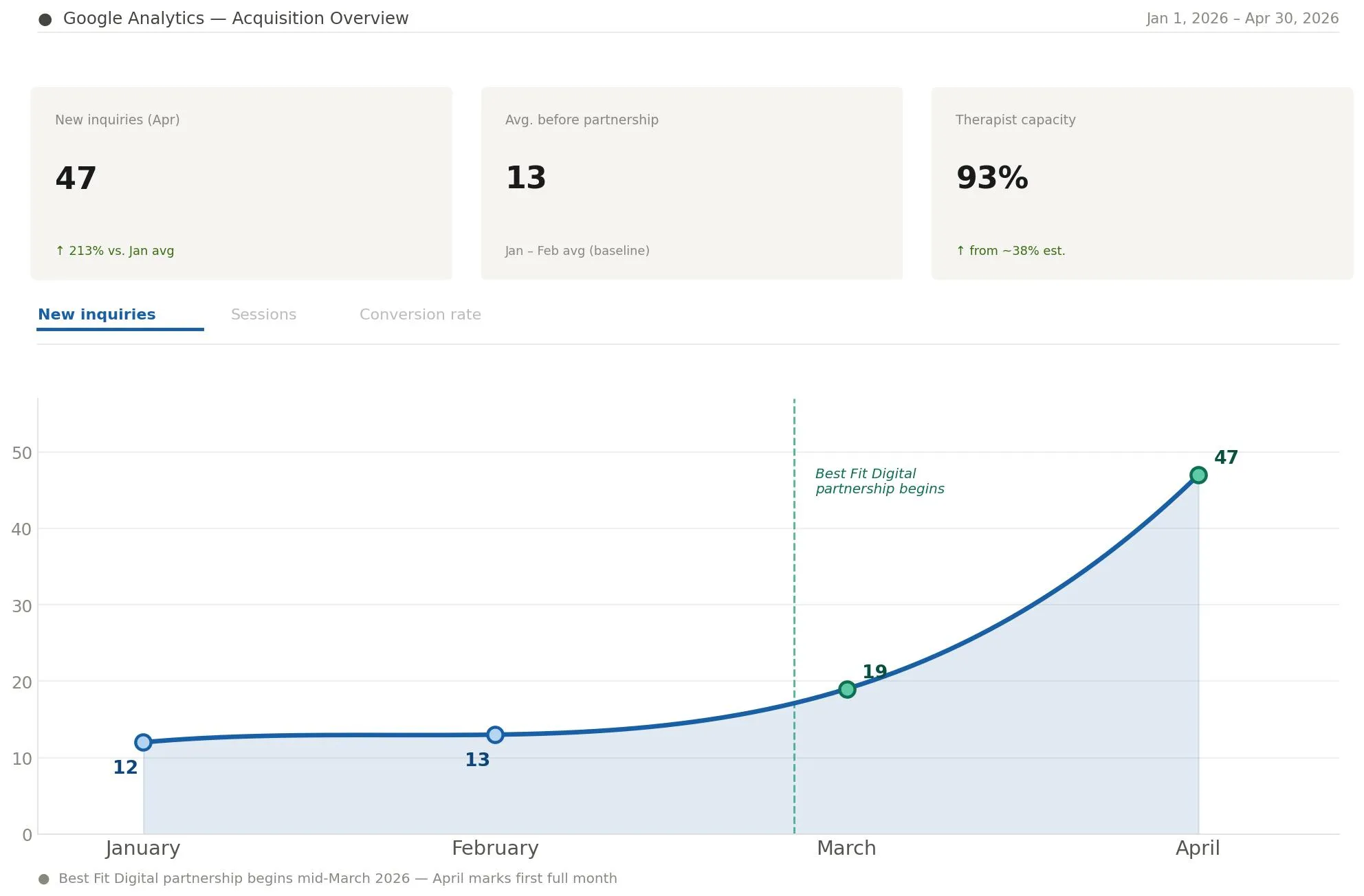
Google Analytics: This tool provides detailed insights into website traffic, user behavior, and conversion rates.
A/B Testing: Regularly test different elements of your website to determine which variations drive better conversions.
Conversion Funnels: Map out user paths to identify potential drop-off points and optimize those areas.
Utilizing analytics ensures that you can make data-driven decisions for ongoing site improvement.
Ongoing Optimization
Ongoing optimization is integral to maintaining a high-converting website. Regularly updating your site based on user feedback and performance data can drastically improve your conversion rates. Strategies for effective optimization include:
User Feedback: Encourage users to provide feedback on their experience to learn how you can improve.
Regular Content Updates: Keep your content fresh by regularly adding new articles, blog posts, or resources that resonate with your audience.
Performance Monitoring: Continuously monitor the performance of your website through analytics tools to identify trends and make necessary adjustments.
By implementing a strategy for ongoing optimization, you ensure that your website remains relevant and effective in meeting your audience's needs.