Build High-Converting Websites with Modern Web Design | User-Centric Development

By Clinton Jiggetts, Best Fit Digital
Creating high-converting websites requires a blend of modern web design principles and user-centric development strategies. This article will explore the best practices, design principles, user experience strategies, and conversion optimization techniques that can significantly enhance your website's performance. By focusing on these elements, businesses can effectively address common pain points such as high bounce rates and low conversion rates. We will delve into essential practices for building effective websites, the importance of responsive design, and how user-centric development can drive business growth. Additionally, we will discuss how Best Fit Digital specializes in these areas, providing tailored solutions for small to medium-sized service-based businesses and entrepreneurs.
Best Practices
Building high-converting websites involves adhering to several best practices that ensure user engagement and satisfaction. These practices include:
- User-Friendly Navigation: A clear and intuitive navigation structure helps users find information quickly, reducing frustration and improving the overall experience.
- Responsive Design: Websites must be optimized for various devices, ensuring a seamless experience whether accessed on a desktop, tablet, or smartphone.
- Clear Calls to Action: Strategically placed calls to action guide users toward desired actions, such as signing up for newsletters or making purchases.
Best Fit Digital emphasizes these best practices in their web design approach, ensuring that clients receive websites that not only look great but also perform well in terms of user engagement and conversion rates.
Design Principles
Effective web design is grounded in key principles that enhance user experience and engagement. These principles include:
- Clear Branding: Consistent branding across all pages helps establish trust and recognition, making it easier for users to connect with the business.
- Visual Appeal: Aesthetically pleasing designs attract users and keep them engaged, encouraging them to explore the site further.
- Accessibility: Ensuring that websites are accessible to all users, including those with disabilities, is crucial for reaching a broader audience and complying with legal standards.
By integrating these design principles, businesses can create websites that not only attract visitors but also convert them into loyal customers.
User Experience Strategies

Improving user experience is essential for increasing engagement and conversion rates. Effective strategies include:
- Interactive Features: Incorporating elements such as quizzes, polls, or interactive infographics can enhance user engagement and make the website more memorable.
- Social Proof: Displaying testimonials, reviews, and case studies builds credibility and encourages potential customers to trust the brand.
- Analytics Utilization: Leveraging analytics tools to track user behavior allows businesses to make informed decisions about website improvements and content strategies.
These strategies are vital for creating a user-centric website that meets the needs and expectations of visitors.
Conversion Optimization Techniques
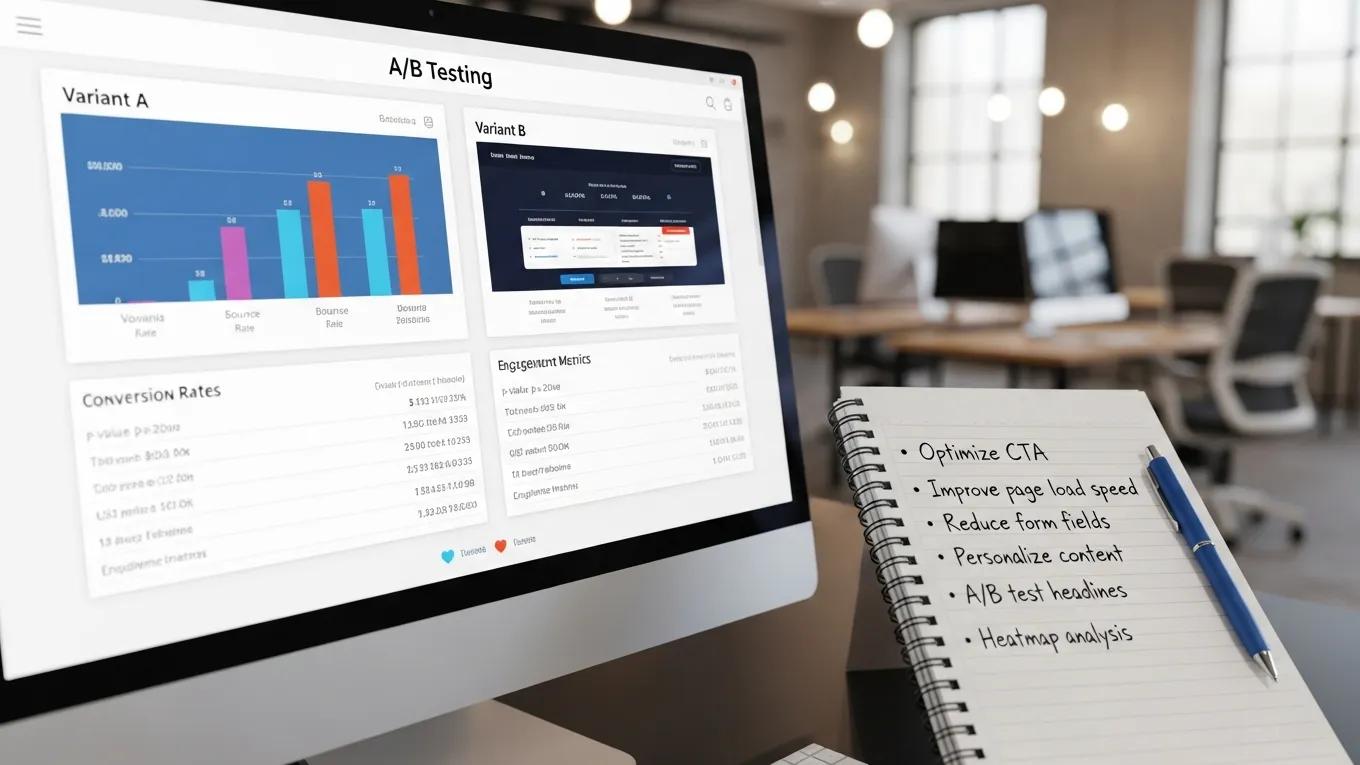
To maximize conversion rates, businesses should implement various optimization techniques. These include:
- Lead Magnets: Offering valuable resources, such as eBooks or free trials, in exchange for user information can significantly increase lead generation.
- A/B Testing: Testing different versions of web pages helps identify which elements resonate best with users, allowing for data-driven improvements.
- Message Match: Ensuring that the messaging on landing pages aligns with the ads or links that brought users there increases the likelihood of conversion.
By focusing on these techniques, businesses can enhance their websites' effectiveness in converting visitors into customers.
What Are the Core Principles of High-Converting Modern Web Design?
High-converting modern web design is characterized by several core principles that prioritize user engagement and conversion. These principles include responsive design, intuitive navigation, and clear calls to action. By implementing these elements, businesses can create websites that not only attract visitors but also encourage them to take desired actions, such as making a purchase or signing up for a newsletter.
How Does Responsive Website Design Enhance User Experience and Conversions?
Responsive website design enhances user experience by ensuring that websites function seamlessly across various devices and screen sizes. This adaptability reduces bounce rates and increases the likelihood of conversions, as users can easily navigate and interact with the site regardless of their device. A well-optimized responsive design also improves search engine rankings, further driving traffic to the site.
Responsive Web Design for Enhanced User Experience Across Devices
Responsible architecture design is believed to be the most effective answer to the incompatibility problem of webpages across devices with varying sizes and resolutions. Online shopping behavior is cross-device and continuous; therefore, we believe that it is also important to explore and discuss how to provide a fluent and consistent user experience for the same webpage across various devices (other than simply using the fluid grid technique to maintain cross device compatibility). Inspired by the fluency theory, we assume that the fluency of processing webpages on different devices affects a user’s responsive web experience. In this paper, a case study of etao.com was performed to explore how to improve user experience fluency with responsive web design on mobile phones. The study consisted of two experiments: a PC test and a mobile phone test. The PC test was designed to understand the interactions between the users and the information content on etao.com (desktop version), which could facilitate the identification of user preferences and expectations and guide the design layout of the responsive webpage on mobile phones. During the mobile phone test, we examined the responsive webpage, which was designed according to users’ preferences and expectations, to determine whether this type of layout could be approved by users. The results showed that users rated the new version of the responsive webpage higher than the traditional responsive page, which was designed by using proportion-based fluid grid technology alone.
Responsive web design and its use by an e-commerce website, 2014
Why Is User-Centric Development Essential for Business Growth?
User-centric development is essential for business growth as it focuses on understanding and addressing the needs and preferences of users. By prioritizing user experience, businesses can create websites that foster engagement, build trust, and ultimately drive conversions. This approach not only enhances customer satisfaction but also encourages repeat visits and referrals, contributing to long-term business success.
Which Custom Web Development Services Drive Measurable Business Results?
Custom web development services that drive measurable business results include:
- E-commerce Web Design: Tailored solutions for online stores that enhance user experience and streamline the purchasing process.
- Content Management Systems: Custom CMS solutions that allow businesses to easily manage and update their website content.
- SEO Optimization: Implementing best practices for search engine optimization to improve visibility and attract organic traffic.
These services are designed to meet the unique needs of businesses, ensuring that their websites effectively support their goals.
What Features Define Conversion-Optimized Custom Website Development?
Conversion-optimized custom website development includes features such as:
- Fast Loading Times: Websites that load quickly reduce bounce rates and improve user satisfaction.
- Mobile Optimization: Ensuring that websites are fully functional on mobile devices is crucial for capturing a larger audience.
- User-Friendly Forms: Simplifying forms and reducing the number of fields can significantly increase form completion rates.
These features are essential for creating websites that not only attract visitors but also convert them into customers.
How Do Personalized Consultations Improve Website Performance?
Personalized consultations can significantly improve website performance by providing tailored insights and recommendations based on a business's specific needs and goals. By understanding the unique challenges and opportunities faced by each client, web development agencies can create customized strategies that enhance user experience and drive conversions. This personalized approach ensures that businesses receive solutions that are aligned with their objectives.
How Do Ecommerce Website Design Solutions Boost Online Sales and Lead Generation?
E-commerce website design solutions boost online sales and lead generation by creating user-friendly interfaces that facilitate seamless shopping experiences. Features such as easy navigation, clear product descriptions, and secure payment options contribute to higher conversion rates. Additionally, integrating lead generation tools, such as email sign-up forms and promotional pop-ups, can help capture potential customers' information for future marketing efforts.
What Are Best Practices for Mobile-Friendly Ecommerce Design?
Best practices for mobile-friendly e-commerce design include:
- Responsive Layouts: Ensuring that the website adapts to various screen sizes for optimal viewing.
- Simplified Navigation: Streamlining menus and categories to make it easy for users to find products.
- Fast Loading Times: Optimizing images and minimizing code to enhance loading speed on mobile devices.
Implementing these practices is crucial for capturing the growing number of mobile shoppers and improving overall sales.
How Does Headless Commerce Architecture Enhance User Experience?
Headless commerce architecture enhances user experience by decoupling the front-end presentation layer from the back-end commerce functionality. This flexibility allows businesses to create highly customized user experiences across various channels, such as websites, mobile apps, and social media platforms. By providing a seamless and consistent experience, headless commerce can significantly improve customer satisfaction and drive conversions.
What Conversion Rate Optimization Strategies Are Proven in Modern Web Design?
Proven conversion rate optimization strategies in modern web design include:
- User Testing: Conducting usability tests to identify pain points and areas for improvement.
- Heatmaps: Analyzing user behavior through heatmaps to understand where users click and how they navigate the site.
- Clear Value Propositions: Communicating the unique benefits of products or services clearly to encourage conversions.
These strategies are essential for continuously improving website performance and maximizing conversion rates.
How Does Data-Driven UX Design Increase Conversion Rates?
Data-driven UX design increases conversion rates by leveraging analytics and user feedback to inform design decisions. By understanding user behavior and preferences, businesses can create tailored experiences that resonate with their audience. This approach not only enhances user satisfaction but also leads to higher conversion rates as users are more likely to engage with content that meets their needs.
Which Metrics Best Measure Website Conversion Success?
Key metrics for measuring website conversion success include:
- Conversion Rate: The percentage of visitors who complete a desired action, such as making a purchase or signing up for a newsletter.
- Bounce Rate: The percentage of visitors who leave the site after viewing only one page, indicating potential issues with user engagement.
- Average Session Duration: The average time users spend on the site, reflecting the effectiveness of content in capturing user interest.
Monitoring these metrics allows businesses to assess their website's performance and make informed decisions for improvement.
How Can Structured Data and Semantic SEO Improve Website Visibility and Engagement?
Structured data and semantic SEO improve website visibility and engagement by providing search engines with clear information about the content and context of web pages. By implementing schema markup, businesses can enhance their search engine listings with rich snippets, which can increase click-through rates. This improved visibility not only drives more traffic to the site but also enhances user engagement by providing relevant information upfront.
What Schema.org Markup Types Enhance Web Design Service Pages?
Schema.org markup types that enhance web design service pages include:
- WebPage: Provides information about the web page's content and purpose.
- Service: Describes the services offered, including details such as pricing and availability.
- Organization: Offers information about the business, including contact details and location.
Implementing these markup types can improve search engine understanding and visibility, leading to increased traffic and engagement.
How Do FAQ Sections and Entity-Rich Content Boost Search Engine Comprehension?
FAQ sections and entity-rich content boost search engine comprehension by providing structured information that helps search engines understand the context and relevance of the content. By addressing common questions and incorporating relevant entities, businesses can enhance their chances of appearing in featured snippets and other rich results. This not only improves visibility but also provides users with valuable information that can guide their decision-making process.
What Are the Latest Trends in User-Centric Web Development to Maintain Competitive Advantage?
The latest trends in user-centric web development include:
- AI-Driven Personalization: Utilizing artificial intelligence to deliver personalized content and recommendations based on user behavior.
- Voice Search Optimization: Adapting websites for voice search queries to capture the growing number of users utilizing voice-activated devices.
- Progressive Web Apps: Creating web applications that offer a native app-like experience, enhancing user engagement and retention.
Staying ahead of these trends is crucial for businesses looking to maintain a competitive advantage in the digital landscape.
How Is AI-Driven Personalization Transforming Website User Experience?
AI-driven personalization is transforming website user experience by analyzing user data to deliver tailored content and recommendations. This technology enables businesses to create highly relevant experiences that resonate with individual users, increasing engagement and conversion rates. By leveraging AI, companies can anticipate user needs and preferences, leading to a more satisfying and effective online experience.
Why Is Mobile-First Design Critical in 2024 and Beyond?
Mobile-first design is critical in 2024 and beyond due to the increasing prevalence of mobile device usage for internet access. Designing websites with a mobile-first approach ensures that they are optimized for smaller screens and touch interactions, providing a seamless experience for users. This strategy not only improves user satisfaction but also enhances search engine rankings, as search engines prioritize mobile-friendly sites in their results.