Optimize Ad Spend with Expert PPC Management | Maximize ROI

By Clinton Jiggetts, Best Fit Digital
In the competitive landscape of digital marketing, optimizing ad spend is crucial for businesses aiming to maximize their return on investment (ROI). Pay-Per-Click (PPC) management plays a pivotal role in achieving this goal by strategically allocating budgets and targeting the right audience. This article will delve into effective strategies for maximizing ROI through expert PPC management, key performance metrics to track, best practices for campaign management, and the benefits of professional PPC services. By understanding these elements, businesses can significantly enhance their advertising effectiveness and reduce wasted ad spend. We will explore various aspects, including how Google Ads campaign management can improve paid search advertising and the impact of automated bidding strategies on performance.
Strategies to Maximize ROI

Maximizing ROI in PPC campaigns requires a multifaceted approach that includes setting clear goals, utilizing advanced targeting techniques, and implementing continuous optimization.
- Establish Clear Goals: Defining specific, measurable objectives helps in aligning PPC strategies with overall business goals, ensuring that every dollar spent contributes to desired outcomes.
- Utilize Targeting Techniques: Employing demographic, geographic, and behavioral targeting allows businesses to reach their ideal customers more effectively, increasing the likelihood of conversions.
- Implement Continuous Optimization: Regularly analyzing campaign performance and making data-driven adjustments can significantly enhance ad effectiveness and reduce wasted spend.
Best Fit Digital specializes in PPC management services that help small to medium-sized businesses optimize their ad spend and maximize ROI. By leveraging expert strategies, businesses can achieve better results from their advertising efforts.
Key Performance Metrics
Tracking key performance metrics is essential for measuring the success of PPC campaigns. The following metrics provide valuable insights into campaign performance:
- Cost Per Lead (CPL): This metric indicates how much is spent to acquire a lead, helping businesses assess the efficiency of their ad spend.
- Conversion Rate: The percentage of users who complete a desired action after clicking on an ad, reflecting the effectiveness of the ad and landing page.
- Return on Investment (ROI): A critical metric that measures the profitability of PPC campaigns by comparing the revenue generated against the costs incurred.
Understanding these metrics allows businesses to make informed decisions and optimize their PPC strategies effectively.
Best Practices
To manage PPC campaigns effectively, businesses should adhere to several best practices:
- Budget Management: Establishing a clear budget and monitoring spending ensures that campaigns remain financially viable and aligned with business goals.
- Ad Scheduling: Running ads during peak times when target audiences are most active can enhance visibility and increase conversion rates.
- Remarketing: Implementing remarketing strategies allows businesses to re-engage users who have previously interacted with their ads, increasing the chances of conversion.
By following these best practices, businesses can enhance their PPC campaign performance and achieve better results.
Relevant Case Studies
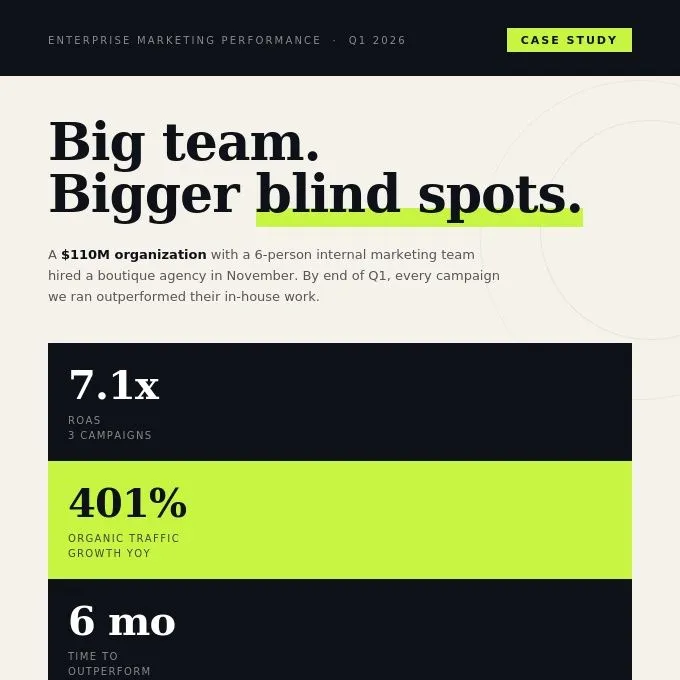
Examining relevant case studies can provide insights into the effectiveness of PPC management. For instance, a local HVAC client successfully increased their lead generation by 150% through targeted Google Ads campaigns. Similarly, legal PPC campaigns have demonstrated significant ROI improvements by focusing on high-intent keywords and optimizing ad copy.
What Are the Key Benefits of Professional PPC Management for Businesses?
Professional PPC management offers several key benefits that can significantly impact a business's advertising success:
- Increased Efficiency: Experts can streamline campaign management, ensuring that resources are allocated effectively to maximize results.
- Improved Targeting: Professional services utilize advanced targeting techniques to reach the right audience, enhancing the likelihood of conversions.
- Enhanced ROI: By optimizing ad spend and focusing on high-performing strategies, businesses can achieve a higher return on their investment.
These benefits underscore the value of engaging with a professional PPC management agency like Best Fit Digital.
How Does PPC Management Improve Return on Investment?
Effective PPC management improves ROI by providing immediate visibility to target audiences, ensuring that ads are seen by potential customers at the right time. This targeted reach is complemented by measurable results, allowing businesses to track performance and make data-driven decisions. By continuously optimizing campaigns based on performance metrics, businesses can enhance their advertising effectiveness and achieve better financial outcomes.
In What Ways Does Expert PPC Reduce Wasted Ad Spend?
Expert PPC management reduces wasted ad spend through several strategies:
- Clear Budget Allocation: Establishing a well-defined budget helps prevent overspending and ensures that funds are directed toward high-performing campaigns.
- Performance Monitoring: Regularly analyzing campaign data allows for timely adjustments, minimizing the risk of wasted spend on underperforming ads.
- A/B Testing: Implementing A/B testing for ad copy and landing pages helps identify the most effective elements, optimizing overall campaign performance.
These strategies contribute to a more efficient use of advertising budgets.
How Can Google Ads Campaign Management Enhance Paid Search Advertising?
Effective management of Google Ads campaigns can significantly enhance paid search advertising outcomes. By focusing on targeted campaigns, businesses can ensure that their ads reach the right audience. Additionally, a well-structured keyword strategy helps in capturing relevant search traffic, while optimized bidding strategies can improve ad placements and reduce costs.
Google Ads: Enhancing ROI Through Precise Targeting and Analytics
Chapter 42 delves into the dynamic realm of Google Ads, formerly known as Google AdWords, a cornerstone platform in digital marketing. Originally launched in 2000 and rebranded in 2018, Google Ads offers advertisers a robust suite of tools to promote products and services across Google’s extensive network, encompassing search results, websites, YouTube, and apps. Key to its effectiveness is precise audience targeting based on keywords, demographics, and user behavior, maximizing ad relevance and engagement. Advertisers bid on keywords, ensuring that relevant ads appear when users search, thereby driving clicks and conversions. The platform also provides comprehensive analytics to monitor campaign performance, optimize strategies, and enhance ROI.
Using google ads in digital marketing, K Solberg Söilen, 2024
What Are Effective Techniques for PPC Campaign Optimization?
To optimize PPC campaigns effectively, businesses should consider the following techniques:
- Keyword Strategy: Conducting thorough keyword research and optimization ensures that ads are displayed for relevant search queries.
- Bidding Strategies: Implementing smart bidding strategies can enhance ad placements and improve overall campaign performance.
- Ad Optimization: Regularly updating ad copy and creative elements keeps campaigns fresh and engaging for target audiences.
These techniques are essential for maintaining competitive advantage in the digital advertising landscape.
How Do Automated Bidding Strategies Impact Google Ads Performance?
Automated bidding strategies can significantly impact Google Ads performance by enhancing efficiency and enabling real-time adjustments based on performance data. These strategies leverage machine learning to optimize bids for maximum conversions, allowing businesses to focus on other aspects of their campaigns while ensuring that their ads are competitively positioned.
What Strategies Constitute a Successful Paid Search Advertising Plan?
A successful paid search advertising plan includes several key strategies:
- Keyword Research and Optimization: Identifying high-performing keywords and continuously optimizing them is crucial for driving relevant traffic.
- Ad Creation and Optimization: Crafting compelling ad copy that resonates with target audiences can improve click-through rates and conversions.
- Performance Tracking and Analytics: Regularly monitoring campaign performance and analyzing data helps in making informed decisions for future strategies.
These strategies collectively contribute to a robust paid search advertising plan.
How Is Paid Media Budget Allocation Optimized for Maximum Results?
Optimizing paid media budget allocation involves several considerations:
- Initial Budget Recommendations: Establishing a baseline budget based on industry standards and business goals helps in setting realistic expectations.
- Testing Duration: Allowing sufficient time for testing different strategies ensures that businesses can identify the most effective approaches.
- Scaling Based on Performance: Adjusting budgets based on campaign performance allows businesses to invest more in successful strategies while minimizing spend on underperforming ones.
This approach ensures that advertising budgets are utilized effectively for maximum results.
What Role Does Conversion Rate Optimization Play in PPC Success?
Conversion rate optimization (CRO) plays a critical role in PPC success by enhancing the effectiveness of landing pages and ad copy. By focusing on user engagement strategies and continuously analyzing performance data, businesses can improve their conversion rates. Effective CRO techniques include optimizing landing page design, streamlining user experiences, and implementing clear calls to action.
How Do Case Studies Demonstrate the Impact of Expert PPC Management?
Case studies provide valuable insights into the impact of expert PPC management. For example, businesses that have engaged professional PPC services often report significant improvements in lead generation and ROI. These studies highlight the importance of clear goals, continuous optimization, and effective targeting in achieving successful advertising outcomes.
Which Metrics Best Illustrate ROI Improvements from PPC Campaigns?
Several metrics effectively illustrate ROI improvements from PPC campaigns:
- Click-Through Rate (CTR): A higher CTR indicates that ads are resonating with target audiences, leading to increased traffic and potential conversions.
- Conversion Rate: This metric reflects the effectiveness of landing pages and ad copy in driving user actions.
- Return on Ad Spend (ROAS): ROAS measures the revenue generated for every dollar spent on advertising, providing a clear picture of campaign profitability.
These metrics are essential for assessing the effectiveness of PPC strategies.
What Are Examples of Lead Generation Growth Through Paid Search?
Lead generation growth through paid search can be exemplified by various industries. For instance, a local service provider may experience a significant increase in inquiries after implementing targeted Google Ads campaigns. Similarly, e-commerce businesses often see considerable sales growth by optimizing their paid search strategies to attract high-intent customers.
What Are Common Client Questions About PPC Management Services?
Clients often have several questions regarding PPC management services, including:
- What is included in PPC management?: Services typically encompass keyword research, ad creation, performance tracking, and optimization.
- How long does it take to see results?: While some improvements can be seen quickly, significant results often take several weeks of consistent management.
- What budget should I allocate for PPC?: Budget recommendations vary based on industry, goals, and competition, but starting with a clear plan is essential.
These questions reflect common concerns that businesses have when considering PPC management services.
How Can Businesses Reduce Wasted Ad Spend Effectively?
To reduce wasted ad spend effectively, businesses should focus on:
- Keyword Management: Regularly reviewing and refining keyword lists helps eliminate irrelevant traffic and improve targeting.
- Ad Copy and Landing Page Optimization: Ensuring that ad copy aligns with landing page content enhances user experience and conversion rates.
- Budget Management: Setting clear budgets and monitoring performance allows businesses to allocate resources effectively and minimize waste.
Implementing these strategies can lead to more efficient use of advertising budgets.
What Should You Expect from a Trusted PPC Management Agency?
When engaging a trusted PPC management agency, businesses should expect:
- Keyword Research: Comprehensive analysis to identify high-performing keywords relevant to the business.
- Ad Copy Creation: Crafting compelling ad copy that resonates with target audiences and drives engagement.
- Performance Tracking: Regular monitoring and reporting on campaign performance to inform strategic decisions.
These expectations ensure that businesses receive valuable support in their PPC efforts.