

Budget Marketing Tech Stack: Key Tools for SMBs – Best Fit Digital
Building a marketing tech stack on a budget is crucial for small businesses aiming to maximize their marketing efforts without overspending. A well-structured tech stack can streamline operations, enhance customer engagement, and ultimately drive revenue growth. In this article, we will explore essential tools that can help small businesses create an effective marketing tech stack while keeping costs manageable. We will discuss key considerations for selecting tools, implementation strategies, and how to maximize return on investment (ROI) with your marketing technology. By the end, you will have a clear understanding of how to build a cost-effective marketing tech stack tailored to your business needs.
Key Considerations for Tool Selection
When selecting marketing tools, small businesses should consider several key factors to ensure they make informed decisions. First, budget constraints play a significant role in determining which tools are feasible. It’s essential to evaluate the pricing structures of various options and choose tools that offer the best value for money. Additionally, ease of integration with existing systems is crucial, as tools that work well together can enhance overall efficiency. Lastly, vendor support is an important consideration; reliable customer service can make a significant difference in the successful implementation and ongoing use of marketing tools.
To assist in comparing different marketing tools based on cost and features, the following table outlines essential attributes:
This comparison highlights the importance of evaluating tools not just on price but also on the features they offer, ensuring that small businesses can select the most suitable options for their needs.
Best Fit Digital specializes in helping small to medium-sized service-based businesses navigate these considerations. Their personalized consultation services can guide you in selecting and integrating essential marketing tools tailored to your specific needs.
Implementation Strategy
Implementing a marketing tech stack requires a strategic approach to ensure that all tools work harmoniously together. A recommended strategy includes starting with a pilot phase, where selected tools are tested in a controlled environment. This allows businesses to assess their effectiveness and make necessary adjustments before full-scale implementation. Following the pilot, a validation phase should be conducted, utilizing key performance indicators (KPIs) to measure success and identify areas for improvement.
- Pilot Phase: Test selected tools in a controlled environment to evaluate their effectiveness.
- Validation Phase: Use KPIs to measure success and identify areas for improvement.
- Scaling Successful Tactics: Once validated, scale the successful strategies across the organization.
Best Fit Digital can assist in this implementation strategy, ensuring that your marketing tech stack is optimized for performance and aligned with your business goals.
What Are the Core Marketing Tools Every Small Business Needs?
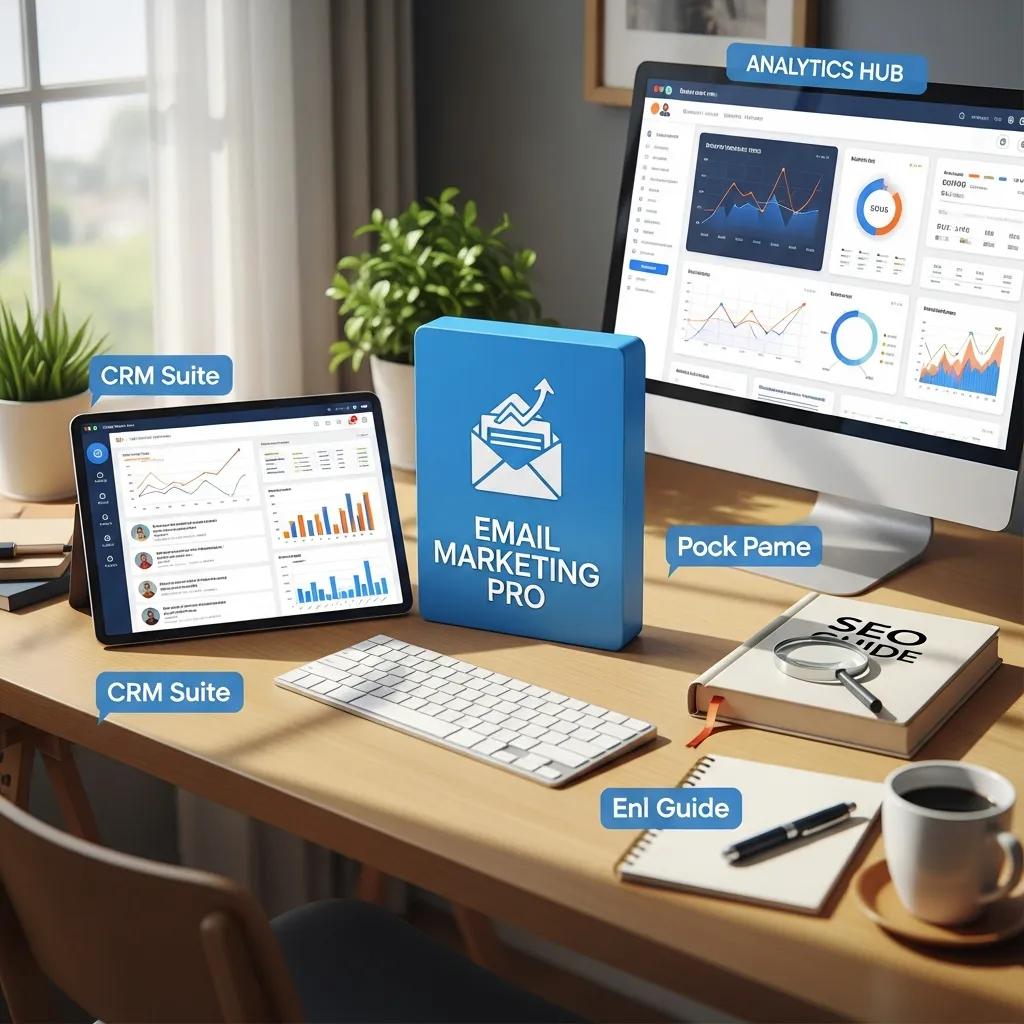
Every small business should consider incorporating the following core marketing tools into their tech stack:
- Email Marketing Tools: Essential for nurturing leads and maintaining customer relationships.
- CRM Software: Helps manage customer interactions and data effectively.
- Analytics Tools: Provide insights into marketing performance and customer behavior.
These tools form the foundation of a robust marketing tech stack, enabling small businesses to engage effectively with their audience and track their marketing efforts.
These foundational tools are crucial for implementing effective digital marketing strategies aimed at improving sales for small and medium enterprises.
Digital Marketing Strategies for SME Sales Improvement
This study examined online advertising, email marketing, search engine optimization: strategies for sales improvement by small and medium Enterprises in Nigeria. Three research questions and hypotheses guided the study. The study used the descriptive Survey research design.
Online advertising, email marketing, search engine optimization:
Strategies for sales improvement by small and medium enterprises in Nigeria, CC Ufondu, 2025
How to Select Cost-Effective Marketing Software Tailored to Your Business Needs?
Selecting cost-effective marketing software involves understanding your specific business needs and budget constraints. Start by identifying the primary functions you require from the software, such as email marketing, customer relationship management, or analytics. Next, research various options available in the market, comparing their features, pricing, and user reviews.
Indeed, various digital marketing components are recognized as affordable solutions for small businesses looking to optimize their online presence and drive growth.
Affordable Digital Marketing Solutions for Small Businesses
digital marketing is considered an affordable solution for these small businesses, optimization, content marketing, social media management, email marketing, pay-per-click
Effective Digital Marketing Strategies for Small Businesses, 2025
It’s also beneficial to take advantage of free trials or demos offered by many software providers. This allows you to test the software’s functionality and ensure it meets your requirements before making a financial commitment.
By focusing on your unique needs and leveraging available resources, you can find software solutions that provide excellent value without compromising on quality.
How Do Budget Constraints Influence Marketing Tech Stack Decisions?
Budget constraints significantly influence the decisions small businesses make when building their marketing tech stack. With limited resources, businesses must prioritize essential features and tools that deliver the highest return on investment. This often means opting for cost-effective solutions that may not have all the bells and whistles of more expensive options but still meet core business needs.
Additionally, evaluating the potential return on investment for each tool is crucial. Businesses should consider how each tool can contribute to lead generation, customer retention, and overall revenue growth. By focusing on tools that align with their strategic goals, small businesses can make informed decisions that maximize their marketing budget.
What Are Practical Strategies for Integrating Marketing Tools Efficiently?

Integrating marketing tools efficiently is vital for ensuring a seamless workflow and maximizing productivity. Here are some practical strategies to consider:
- Choose Affordable Tools: Select tools that fit within your budget while still offering essential features.
- Utilize Automation: Implement automation features to streamline repetitive tasks and save time.
- Regular Review and Optimization: Continuously assess the performance of your tools and make adjustments as needed to improve efficiency.
By following these strategies, small businesses can create a cohesive marketing tech stack that enhances their overall marketing efforts.
How Can Small Businesses Maximize ROI with Their Marketing Tech Stack?
Maximizing ROI with a marketing tech stack involves several key strategies. First, businesses should focus on selecting cost-effective tools that provide the necessary features without overspending. Regularly measuring performance through analytics can help identify which tools and strategies are delivering the best results.
However, it’s important to acknowledge that accurately measuring the return on investment for marketing technology can present significant challenges for small businesses.
Measuring Marketing Tech ROI for Small Businesses
Our study, in common with Chaffey (2010), highlighted the difficulties of measuring ROI in marketing technology and the ‘dearth of research or frameworks for analytical approaches to
Marketing technology for adoption by small business, 2010
Additionally, optimizing the use of each tool is essential. This may involve training staff on best practices, utilizing advanced features, or integrating tools to work together more effectively. By continuously refining their approach and leveraging data-driven insights, small businesses can enhance their marketing efforts and achieve a higher return on investment.
In conclusion, building a marketing tech stack on a budget is achievable with careful planning and strategic decision-making. By focusing on essential tools, implementing effective strategies, and continuously optimizing their approach, small businesses can create a powerful marketing tech stack that drives growth and success.